Practical Insights for Engineers & Project Managers
Field-tested guides on chartership, project management, BIM, AI, contracts and career growth — with direct links to the courses that go deeper.

PMP® vs PMI-CPMAI™ — Which One Should You Take?
A side-by-side comparison of the classic PMP credential and PMI's new AI project management certification: eligibility, cost, exam scope, salary impact and who each one is for.

How to Pass the PMP Exam on Your First Try — 9 Rules That Work
The mindset, question-reading technique and mock-exam discipline that separate first-time passes from retakes — with the traps that cost most marks.
How Long Does It Take to Prepare for the PMP Exam?
Realistic timelines for 5, 10 and 20 study hours per week, what actually drives the number, and how to know you are ready to book.

PMP Certification Cost in 2026 — Full Breakdown (Exam, Training & Renewal)
Exactly what the PMP costs end to end: PMI membership, exam fee, the 35 contact hours, retakes and the three-year renewal — plus how to cut the bill.
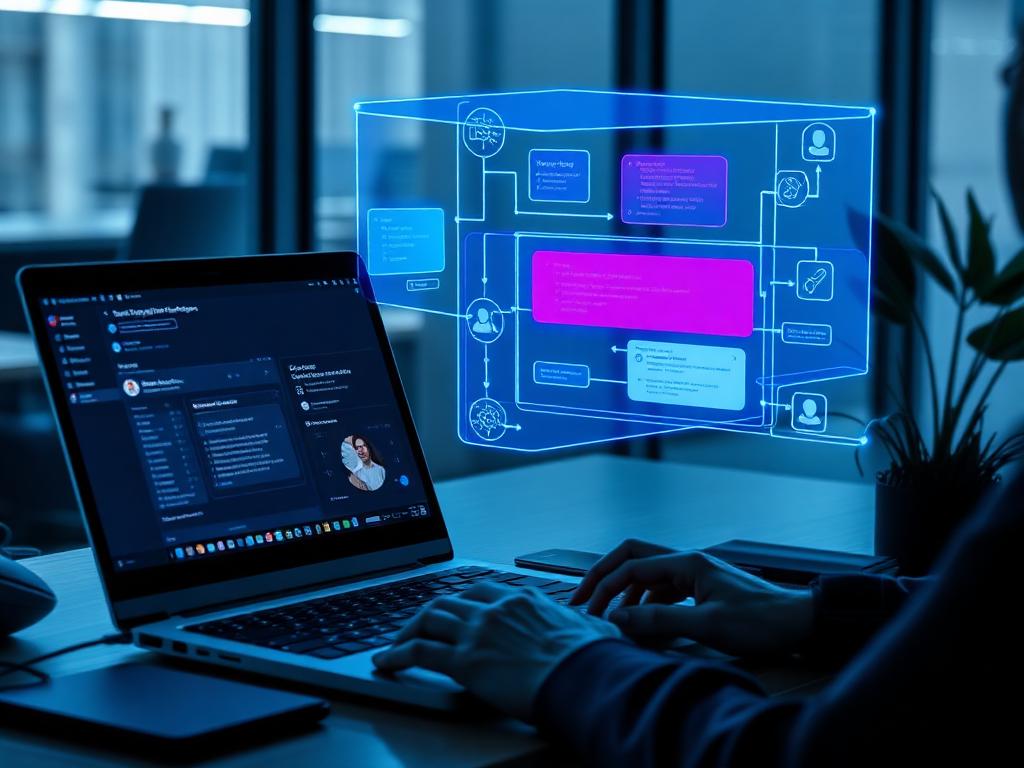
Claude vs ChatGPT for Engineers: Which One Fits Your Workflow?
Reasoning depth, long-context handling, code and document analysis — a practical comparison for engineering and PM tasks.

AI for Civil Engineers: 10 Workflows Transforming Design and Site Delivery
From generative structural options to inspection photo triage — where AI is already delivering real value on civil projects today.
PMI-CPMAI Exam Guide: Managing AI Projects with Confidence
The six-phase CPMAI methodology, exam structure and a study plan for the newest PMI credential aimed at AI project managers.

Building Smarter: How AI Is Reshaping Construction Project Delivery
Cost forecasting, safety monitoring, schedule optimisation and quality control — AI use cases proven on live construction sites.
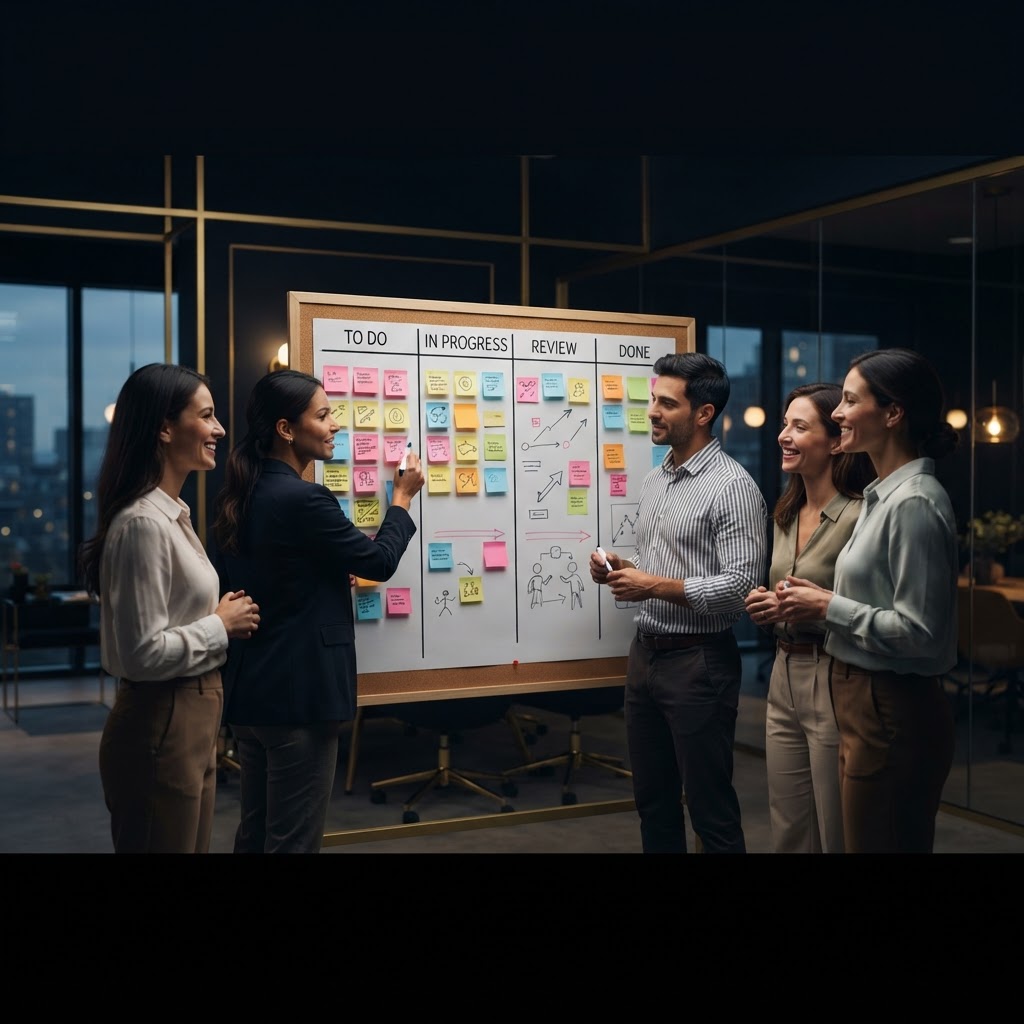
PMI-ACP Exam Guide: Becoming a Certified Agile Practitioner
Eligibility, domains, agile frameworks covered and a focused study plan for the PMI-ACP certification.

Claude AI for Contracts & Commercial Managers: 12 High-Value Prompts
Clause analysis, delay-event drafting, negotiation prep and letter drafting — commercial workflows Claude accelerates without losing rigour.

PMP vs CAPM in 2026: Which Certification Should You Take First?
Eligibility, exam depth, career impact and salary — a candid comparison to help you pick the right first PMI credential.
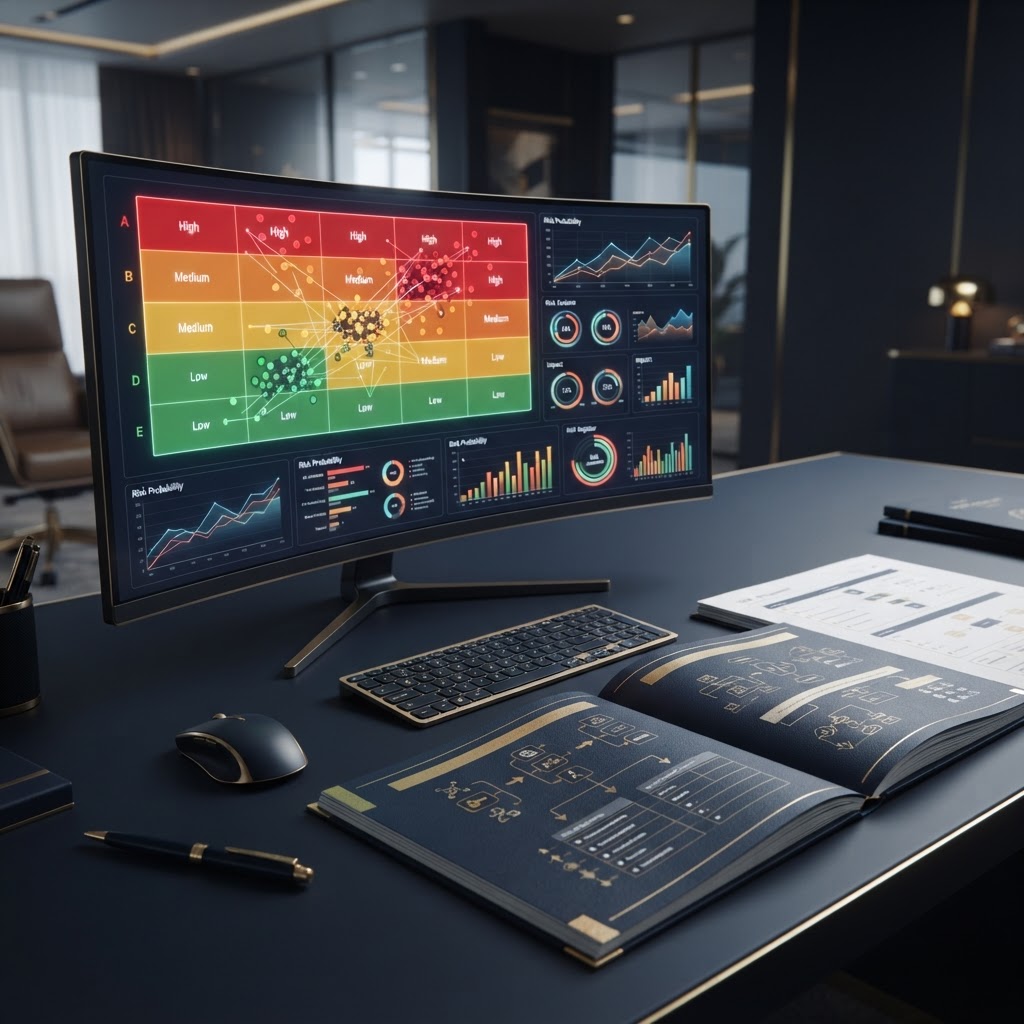
PMI-RMP Exam Guide: Building Real Risk Management Expertise
Risk strategy, identification, analysis, response and monitoring — how to prepare for PMI's Risk Management Professional exam.

Claude AI in Planning, Scheduling and Cost Control: A Playbook for Planners
Turn Claude into a planning assistant that drafts WBS, checks logic, forecasts EVM metrics and writes narrative reports.

PMI-SP Exam Guide: Scheduling Professional for Serious Planners
Everything a planner needs to know about the PMI Scheduling Professional exam, from schedule development to performance and reporting.

PMI-PBA Exam Guide: Professional Business Analysis in Projects
Needs assessment, elicitation, requirements traceability and solution evaluation — the analyst credential that pairs beautifully with PMP.
How to Prepare for the PMP® Exam in 2026 — A Realistic 8-Week Plan
A step-by-step study plan aligned with PMBOK 8th Edition, mixing predictive, agile and hybrid mindsets — plus mock-test strategy.

PMI-CP Exam Guide: Construction Professional — The New Standard
PMI's flagship credential for construction PMs — contract admin, quality, safety, scope and stakeholder management on built-environment projects.

Primavera P6 vs Microsoft Project: Which One Should You Master?
Enterprise scale, resource loading, EVM and industry norms — how to pick the right scheduling tool for your career path.

PMI-PMOCP Exam Guide: The PMO Certified Professional Roadmap
How PMO leaders should approach PMI's PMO Certified Professional exam — governance, value, capability and services.
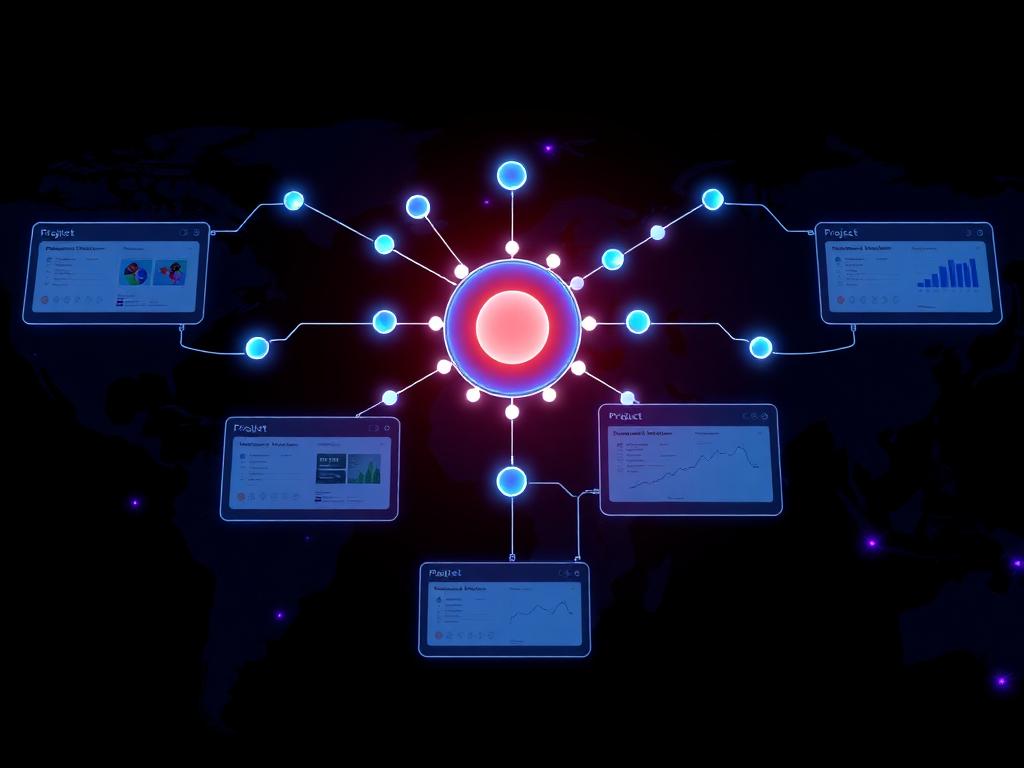
PgMP Exam Guide: Stepping Up from Project to Program Management
The PgMP is PMI's most demanding credential — a panel review, a scenario exam and a step-change in strategic thinking.

BIM ISO 19650: A Practical Guide to Information Management on Real Projects
How to move from CAD-thinking to ISO 19650 information management — CDE, EIR, BEP and the delivery team's real responsibilities.
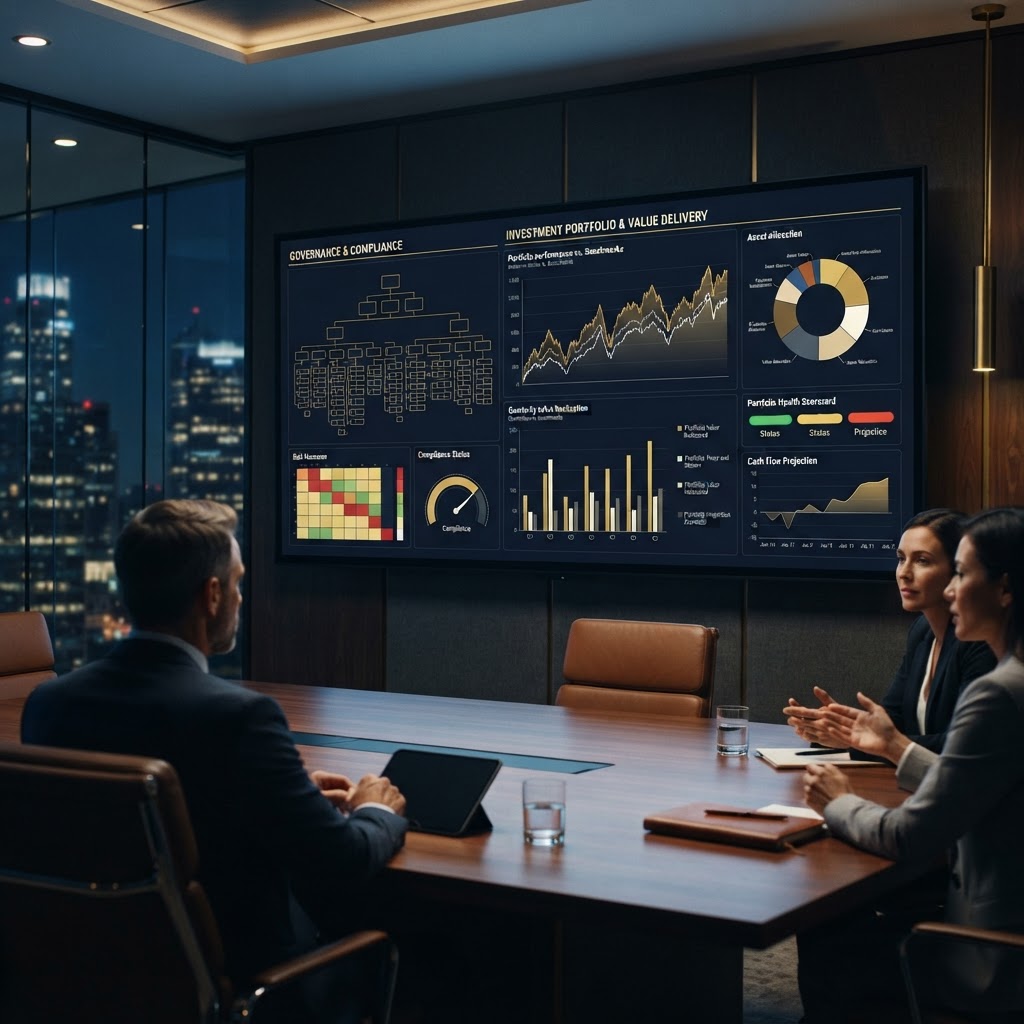
PfMP Exam Guide: Mastering Portfolio Management at Enterprise Scale
PMI's most senior credential — align portfolios to strategy, govern value delivery and manage capacity at the enterprise level.
How to Write a Project Risk Management Plan That Actually Works
Risk identification workshops, qualitative + quantitative analysis, response strategies and the discipline of a live risk register.

PMI-GPM-B Exam Guide: The Green / Sustainable Project Manager
Sustainability principles, environmental impact, social value and governance — the new PMI credential every modern PM should know.

Becoming a Chartered Civil Engineer: The Complete Roadmap
Academic assessment, IPD record, professional review and interview — the full pathway to CEng recognition, without guesswork.

Construction Claims: How to Prepare a Winning Time & Cost Claim
Cause–effect narrative, contemporaneous records, delay analysis methods and cost substantiation — the anatomy of an approved claim.

AI in Project Management: 7 Real Use Cases That Actually Save Time
From risk-register drafting to stakeholder analysis and progress reporting — where AI helps a PM today, and where it doesn't.

CDR Writing for Engineers Australia: A No-Fluff Guide
The three career episodes, the summary statement and the competency mapping — how to write a CDR that gets approved first time.

FIDIC Contracts Essentials for Construction Professionals
The Red, Yellow and Silver books explained — risk allocation, engineer's role, notices and claims in one clear read.
Primavera P6 & Scheduling: 10 Best Practices That Separate Pros from Beginners
WBS discipline, calendars, logic quality, float discipline, baselines and progress updates — the habits that produce trusted schedules.
Claude AI Prompt Engineering for Engineers & Project Managers
How to structure prompts for technical work — context blocks, role framing, examples and controlled outputs that actually work.